You start by packaging, palletizing, and labeling items. You also determine the freight class and National Motor Freight Classification (NMFC) code.

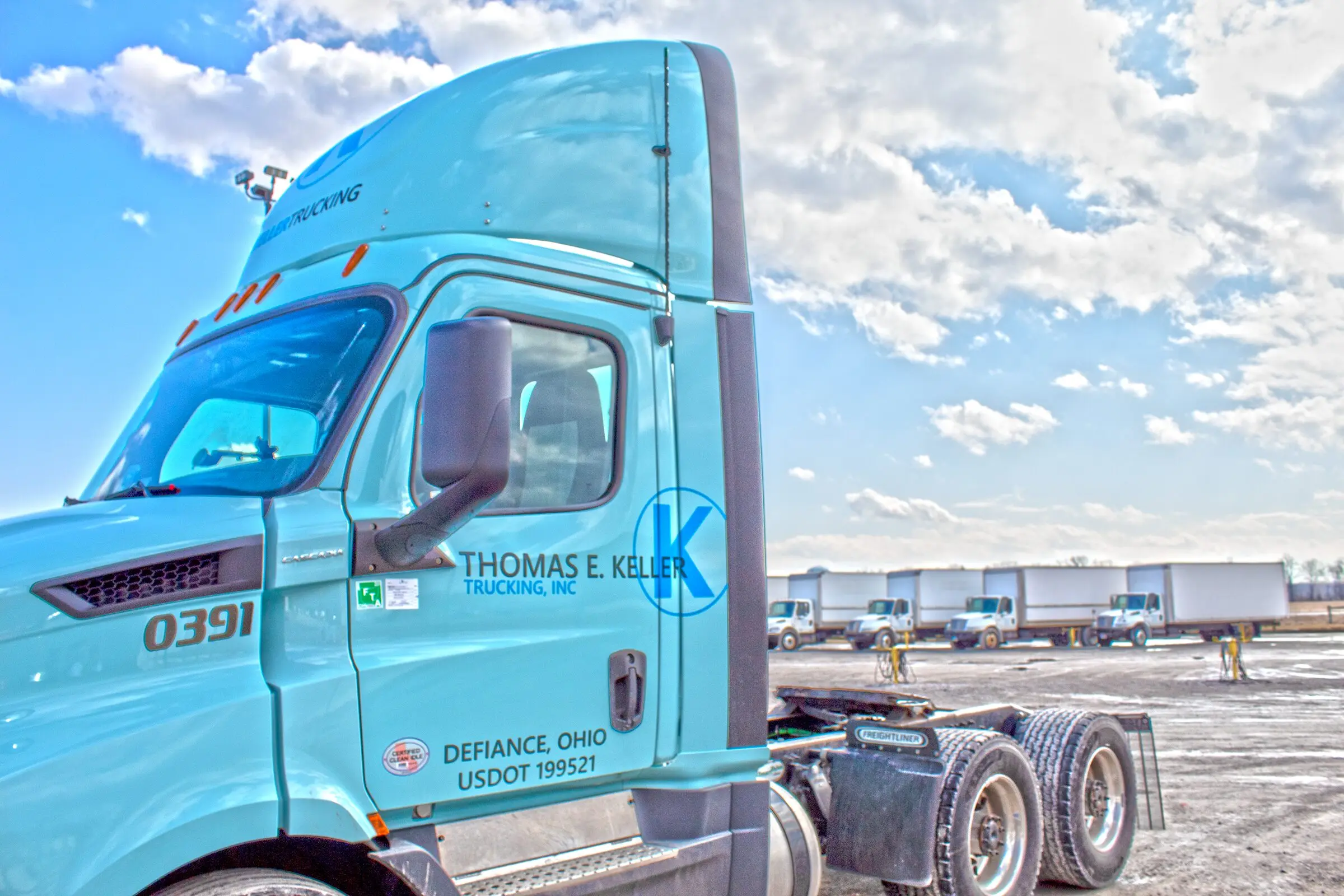

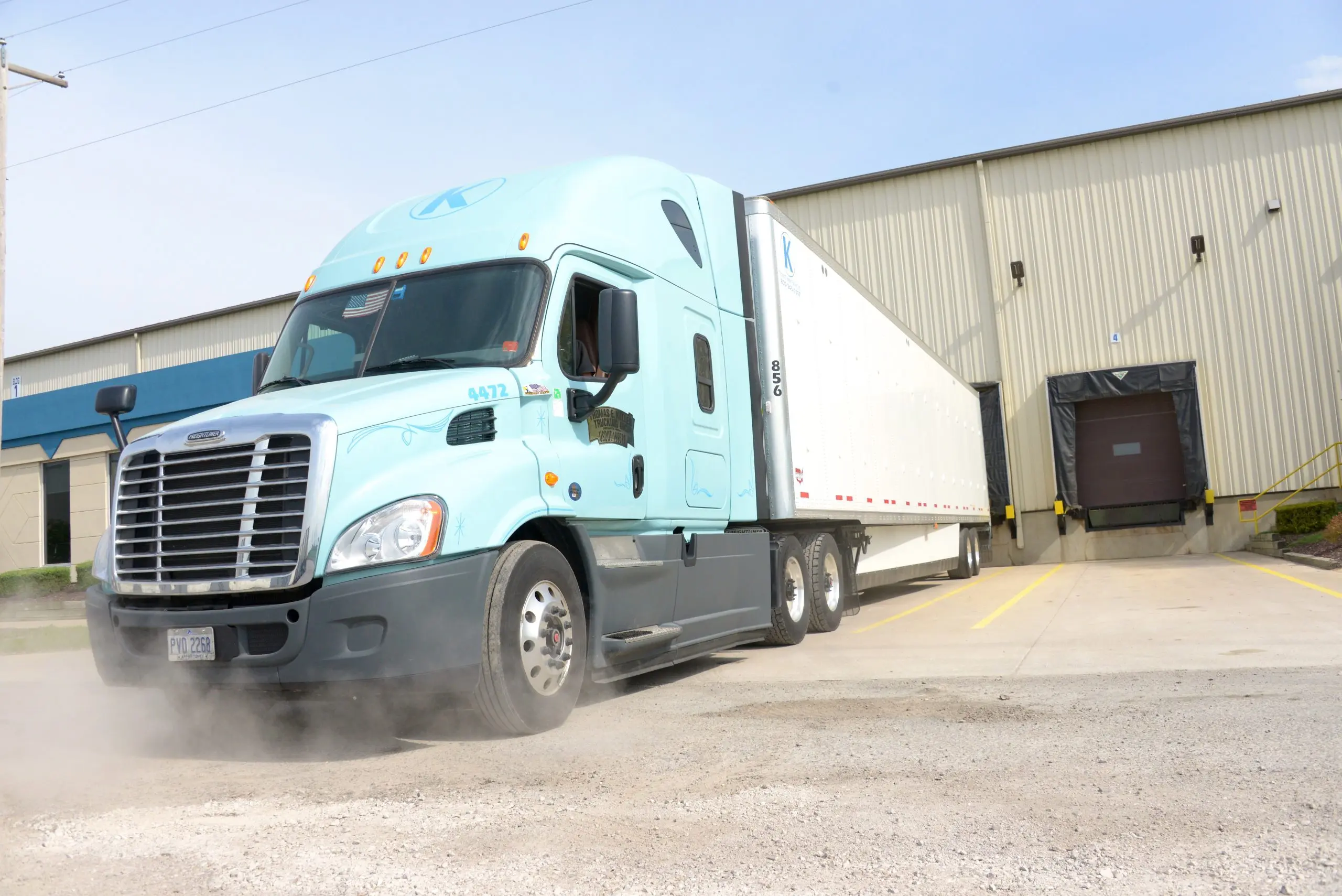
Sometimes, your freight is small enough not to need a full trailer. If you’re not using the full trailer, you can avoid the full cost. Less-than-truckload (LTL) freight services let you pay for a portion of a standard truck trailer. Whatever you don’t use gets filled with goods from other shippers.
When you work with Keller Freight Solutions, you get a dedicated partner for your LTL freight. You benefit from a network of carriers that offer an economical way to move your freight, no matter your business’s size.
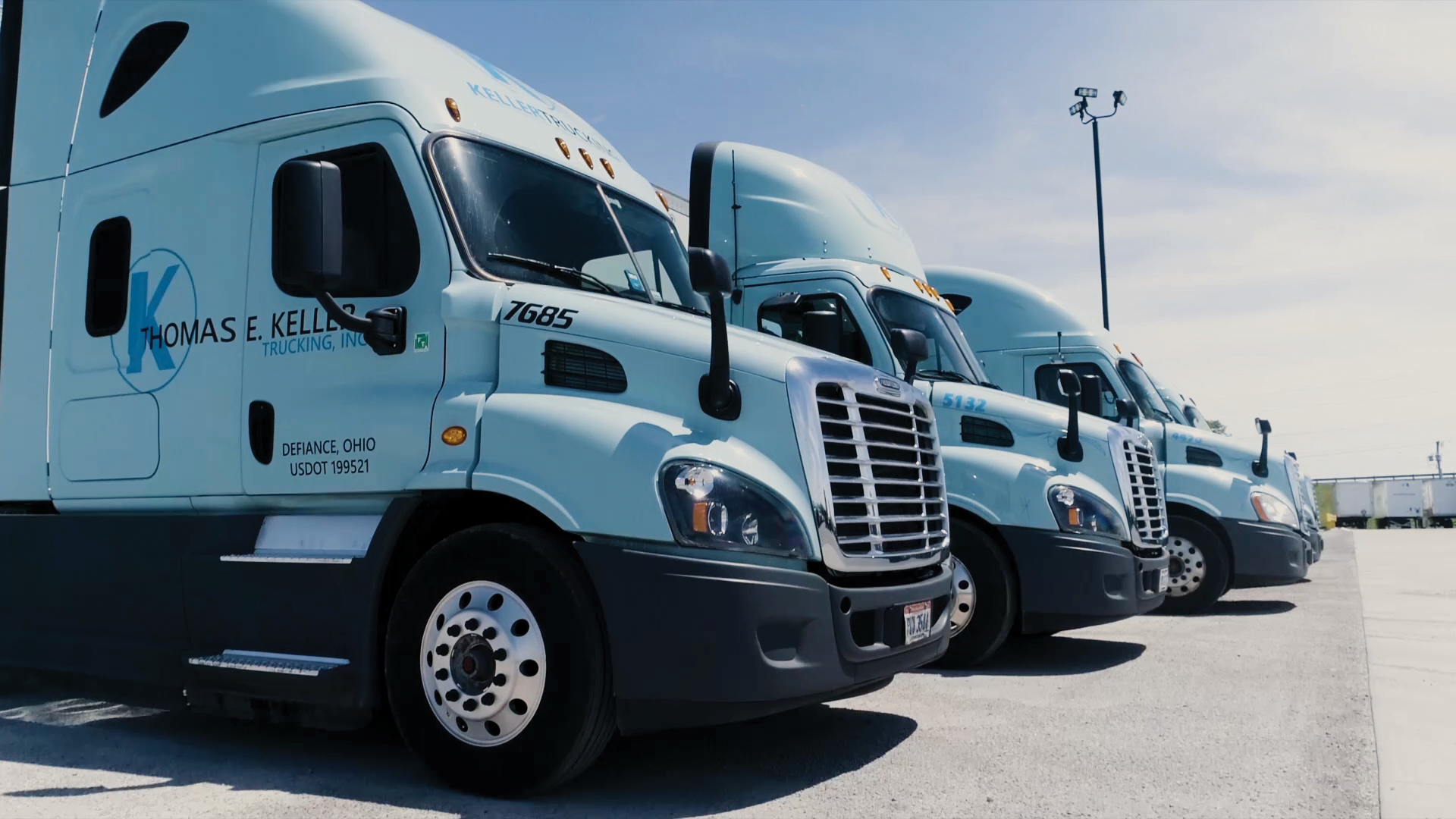
Our less-than-load trucking services are ideal for local or regional deliveries where the destination is nearby, but you can also ship nationwide. If you’re moving goods to a warehouse, LTL solutions help you save space by supporting smaller shipments and enabling more frequent restocking. Overall, this solution brings many benefits to your operations, including:


Gain personalized services from a family-owned company. When you work with us for LTL shipping, you receive dedicated support from a single expert who will guide you through the process.
You also benefit from the latest management technologies to enhance efficiency and costs throughout the shipping process. Combine a customer-first approach with big business capabilities from over 10,000 partner carriers when you work with us for freight services.

With Keller Freight Solutions, you gain access to an expansive less-than-truckload carrier network, enabling you to move goods effectively, even at smaller distances like the regional and local level. You can also move goods nationwide. No matter the origin and destination, you can depend on us to have the capacity for your shipments and optimize each load to efficiently use trailer space.
Here’s an overview of what you can expect from our services:
You start by packaging, palletizing, and labeling items. You also determine the freight class and National Motor Freight Classification (NMFC) code.
You share the details of your load, including the origin, destination, dimensions, weight, and item type. You’ll want to round up the dimensions to ensure carriers have sufficient capacity.
You will get a customized quote based on the details you share and any requests for additional services, like liftgate at the drop-off location.
You will receive notice of the date and time of pickup, enabling you to prepare your load.
Carriers bring your freight to a local terminal, consolidating it with other shipments based on destination and loading it into outbound trailers.
Freight moves through a network of terminals and may transfer between several trucks, depending on the destination.
Your shipment will reach a terminal near the delivery location, where it will be separated and loaded onto a local truck for final-mile delivery.
Why pay for a full trailer when you’re only using part of it? Get just the right amount of space at the right cost with less-than-truckload freight. Contact us for a quote today!