

The Hidden Cost of Overbuilding
Years ago, many private fleets were designed to handle peak demand—seasonal surges, market expansions, or unexpected spikes in volume. That made sense at the time. But what happens when those peaks flatten, or your business evolves? If your fleet hasn’t been recalibrated, you might be carrying more cost than you realize.
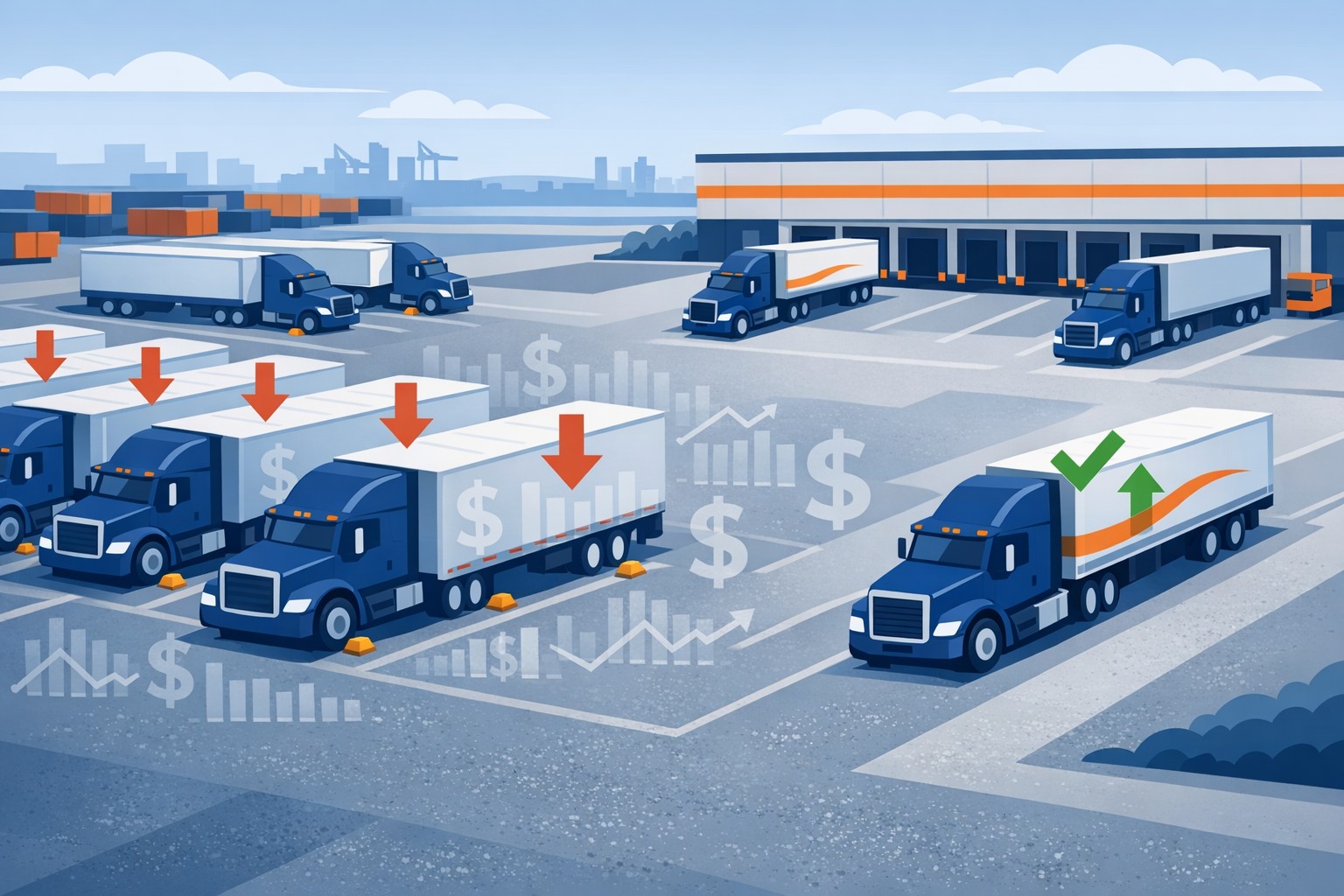
Overbuilt fleets don’t just tie up capital—they quietly drain resources through idle assets, underutilized drivers, and unnecessary maintenance. Recognizing the signs is the first step toward smarter decisions.
Why Overbuilding Happens
Signs Your Fleet May Be Overbuilt
The Impact on Private Fleet Cost
An overbuilt fleet inflates your total cost of ownership:
What’s Next?
Start by asking:
Recognizing overbuild isn’t about cutting corners—it’s about aligning resources with reality. Awareness is the first step toward efficiency.
Your private fleet cost may be higher than necessary if it has been built for a demand profile that no longer exists. Regular reviews can uncover hidden inefficiencies and open the door to smarter strategies.

Learn more about what makes Keller Logistics Group and its affiliates the best choice for your company’s 3PL logistics needs. Contact us to learn more about our services and request a no-obligation quote. Call 419-780-3767 or return our online contact form today.