

What is Shared Warehousing?
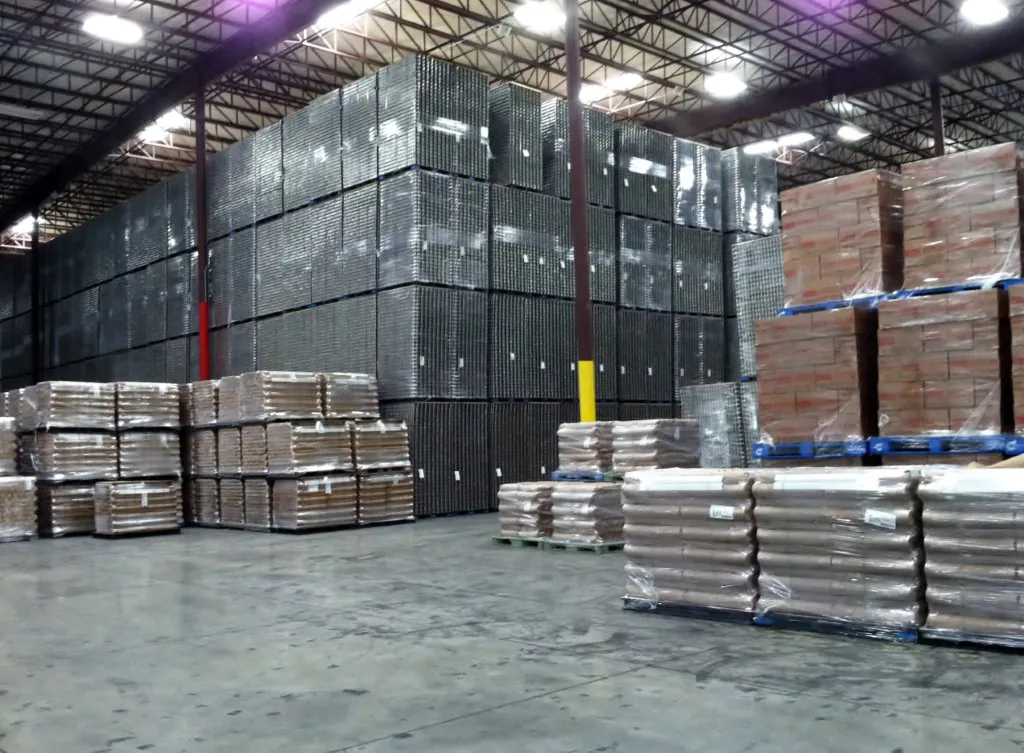
Shared warehousing is a logistics model where multiple businesses operate out of the same warehouse facility, sharing space, labor, equipment, and technology. This approach helps companies reduce costs, simplify operations, and scale quickly without heavy upfront investment.
Why Are Companies Choosing Shared Warehousing?
In a fast-paced business environment where efficiency and cost control are critical, shared warehousing offers two major advantages:
These benefits make shared warehousing especially attractive to small and mid-sized businesses, startups, and companies testing new markets.
How Does Shared Warehousing Reduce Labor Costs?
Shared warehousing lowers labor expenses by distributing workforce costs across multiple tenants.
Key Ways Labor Costs Are Reduced
Result: Lower labor costs without sacrificing productivity or reliability.
How Does Shared Warehousing Simplify the Start-Up Process?
Launching a standalone warehouse is complex and capital-intensive. Shared warehousing removes many of these barriers.
Start-Up Advantages of Shared Warehousing
Result: Faster go-live time with far less financial risk.
Shared Warehousing Cost Comparison: Example
Scenario: A start-up e-commerce company planning national distribution.
Standalone Warehouse Costs
Shared Warehouse Costs
Cost Savings:
What Are the Additional Benefits of Shared Warehousing?
Beyond cost savings and ease of setup, shared warehousing provides strategic advantages.
Additional Key Benefits
Is Shared Warehousing Right for Your Business?
Shared warehousing is a strong fit for:
By lowering labor costs, eliminating large upfront investments, and enabling flexible growth, shared warehousing helps companies stay competitive in a changing supply chain landscape.
Shared warehousing isn’t just a cost-saving option—it’s a smarter, more agile way to scale operations. For businesses looking to reduce labor costs, simplify start-up, and grow with confidence, shared warehousing offers a proven, practical solution.
Take the Next Step- Download the Whitepaper “Optimizing Efficiency and Savings with Shared Warehousing“

Learn more about what makes Keller Logistics Group and its affiliates the best choice for your company’s 3PL logistics needs. Contact us to learn more about our services and request a no-obligation quote. Call 419-780-3767 or return our online contact form today.